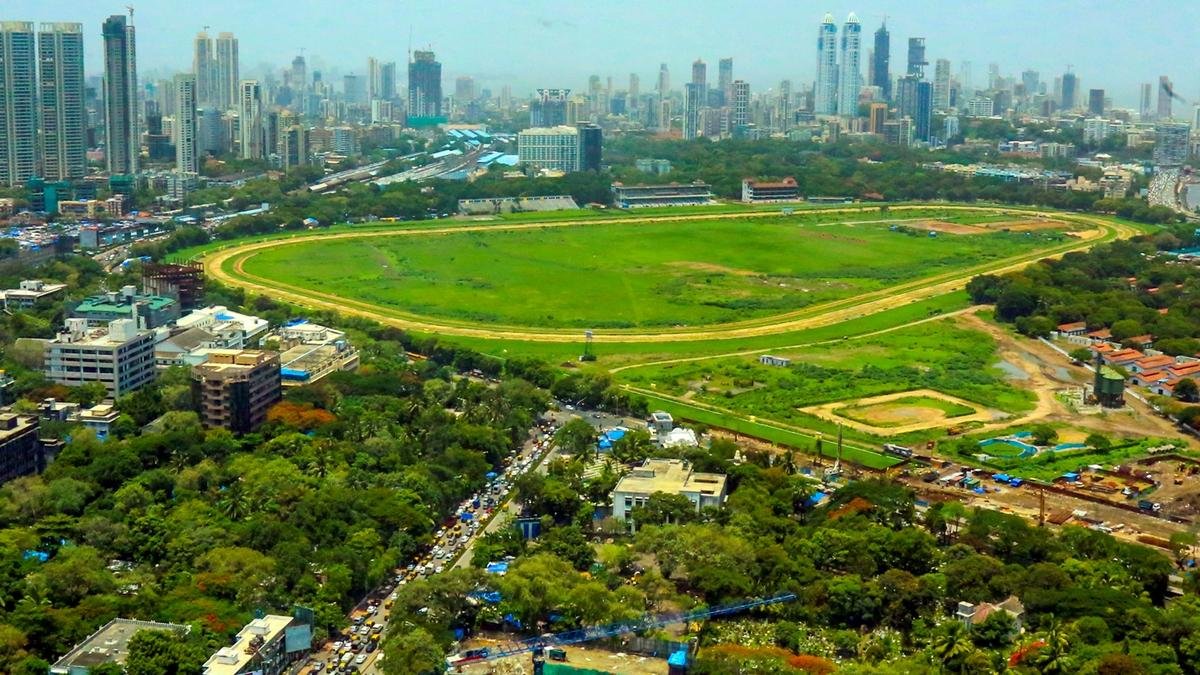
Mumbai may soon witness one of its most ambitious urban transformations. A proposal to develop a 295-acre Central Park at Mahalaxmi Racecourse is being positioned as a landmark step toward expanding public green spaces in the heart of the city.
The plan envisions converting the iconic racecourse land into one of India’s largest urban parks, comparable in scale to global city parks. The project aims to balance environmental sustainability, public access, and heritage preservation—three priorities rarely aligned in Mumbai’s dense urban fabric.
According to publicly shared details, the proposed Central Park will largely remain a green, open landscape above ground. Walking and jogging tracks, landscaped lawns, shaded seating zones, and recreational spaces are expected to form the core of the park’s design. The focus is on creating a space usable by citizens throughout the day, rather than a destination limited to weekends or special events.
A key assurance attached to the proposal is the retention of the historic horse racing track and stables. Instead of removing the racecourse identity, the plan suggests integrating it within the public park, allowing citizens to experience the heritage while enjoying open access—an approach increasingly seen in global urban redevelopment projects.
One of the most significant elements under discussion is a large underground sports complex, reportedly spread across several lakh square feet. This facility is expected to include indoor sports arenas and aquatic facilities, enabling large-scale recreation without compromising surface-level greenery.
Connectivity is another major focus. To prevent congestion in surrounding areas, the proposal includes underground parking, pedestrian subways, and direct links to nearby metro infrastructure. This approach aims to ensure smooth access while preserving the park’s walkable character.
Urban planners and environmental experts have long highlighted Mumbai’s low per-capita open space compared to other global cities. A centrally located park of this scale could help mitigate urban heat, improve air quality at a local level, and enhance public health outcomes.
However, the project remains at the proposal stage. Funding models, execution timelines, and governance frameworks are still evolving. Civic groups and citizens are watching closely to ensure that the park remains genuinely public, with minimal commercialization and strong environmental safeguards.
If executed as envisioned, the Mahalaxmi Central Park could redefine how Mumbai approaches urban land use—shifting the focus from exclusivity to accessibility, and from concrete expansion to ecological balance.